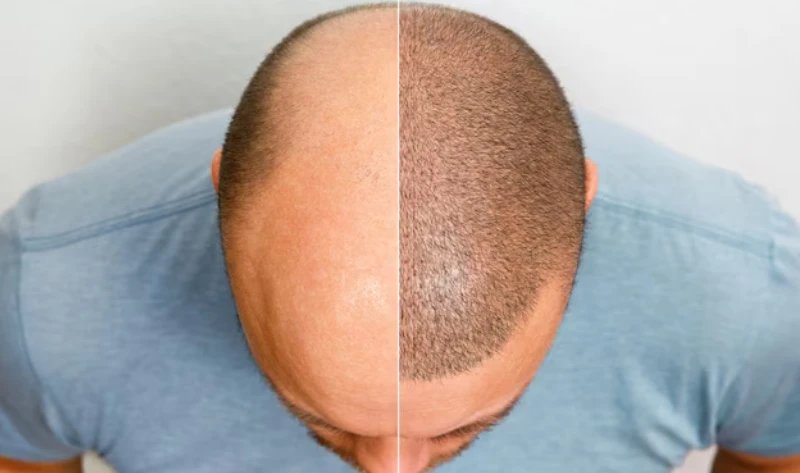
Getting a hair transplant is a big moment. For many people, it’s not just a procedure—it’s an emotional reset button. When you walk out of the clinic after your surgery, you’re not just carrying new grafts on your scalp… you’re carrying new hope.
But let’s not deny this - once the excitement settles, the next thought that hits is “How do I take care of my transplanted hair so it grows well?”
The truth is, post-transplant care matters just as much as the surgery itself. Those tiny newly implanted grafts are delicate. They’re like fresh seedlings—full of potential, but dependent on how you nurture them in the early days.
So here’s a very real, easy-to-understand guide that takes the stress out of the aftercare process. Whether you just got your transplant done or you’re preparing for it, this is everything you need to know, explained as simply as possible.
1. The First Few Days: Rest, Don’t Rush
Right after your hair transplant, your scalp is healing. People often underestimate how fragile the grafts are in the first 72 hours.
During these early days:
This is the phase where your new follicles are settling in. Give them that breathing room.
Dr. Urvashi Chandra, the hair transplant expert at Chandra Clinic, always reminds patients that the first 3–5 days truly set the tone for the entire recovery. Your only job during this time is to rest and follow the instructions you’re given.
2. Washing Your Scalp Properly (This Is Important!)
Most people panic about washing. “What if a graft falls off?”
The truth: washing is important, but only when done the right way.
Typically, your first wash is done at the clinic itself so you can see exactly how it's done. After that:
This isn’t forever. Just for the first 10–14 days.
Washing removes dried blood, reduces infection risk, and helps your scalp breathe. Do it gently, and you’re good.
3. Avoid the Temptation to Scratch
When healing begins, so does the itching. And, it can test your patience.
But scratching can dislodge scabs too early or disturb healing grafts.
Instead:
4. No Gym, No Sweat (For Now)
Sweat contains salt and bacteria, both can irritate the healing area.
For the first 2–3 weeks:
You can resume walking, stretching, or light movement depending on how your scalp feels.
It’s temporary. Once your grafts are secure, you’ll be back to lifting weights and your confidence.
5. Protect Your Scalp from the Sun
UV rays are harsh, even for normal skin. For fresh grafts, they’re worse.
Whenever you step out:
Sun damage can delay recovery or cause pigmentation. So think of your scalp like a healing wound—shield it.
6. Expect Shedding—Don’t Panic
This is the part people freak out about the most. Around the 3–6 week mark, those transplanted hairs fall off.
And yes, it feels heartbreaking. But this is 100% normal.
Shedding is simply the old hair shaft falling so the new hair can grow from the transplanted follicle.
So no panicking, no Googling “failed transplant,” no assuming something’s wrong. This phase is expected.
7. Healthy Lifestyle = Healthier Growth
Your new hair needs good nutrition. Think of it as feeding the roots.
A few simple habits help massively:
Hair grows slowly by nature. But when your body is healthy, your hair responds better.
8. Follow the Medicines & Aftercare Schedule
Post-transplant care is not just shampoo and precautions. Medications play a role too.
Your doctor may recommend:
These are personalized. Never self-medicate. Follow the plan your surgeon gives—especially when that surgeon is someone as experienced as Dr. Urvashi Chandra.
9. Be Patient—Good Hair Takes Time
A hair transplant is not a “walk in bald, walk out with hair” situation. Growth happens in phases:
Patience truly pays off here. Just when you think nothing is happening—boom, one day you wake up with visible density and shape.
A good transplant is not just about the surgery, it’s about the support that comes after. That’s where Chandra Clinic, led by Dr. Urvashi Chandra, really stands out.
What patients love most about the clinic is:
The atmosphere is warm, reassuring, and very human. You don’t feel like a case, you feel like someone whose transformation truly matters.
Your transplanted hair is an investment in your appearance and confidence.
Treat it with gentleness now, and it rewards you for years.
The process isn’t complicated—it just needs consistency.
And most importantly, trust your surgeon, especially if your surgeon is someone as skilled, experienced, and patient-focused as Dr. Urvashi Chandra.
Your new hair is coming. Give it the care it deserves. Your future self will thank you.