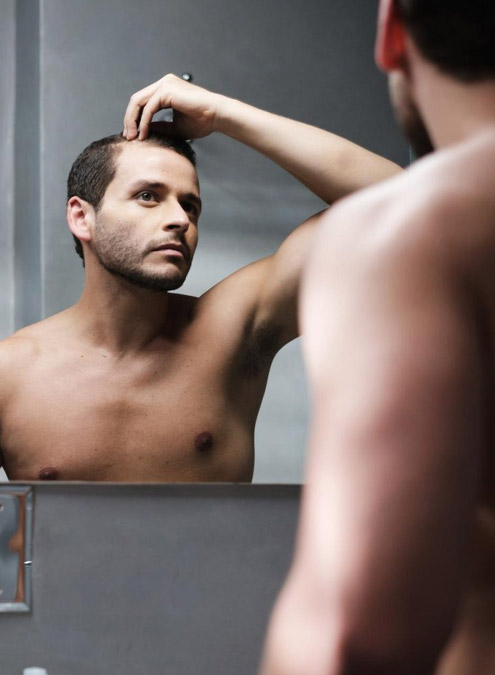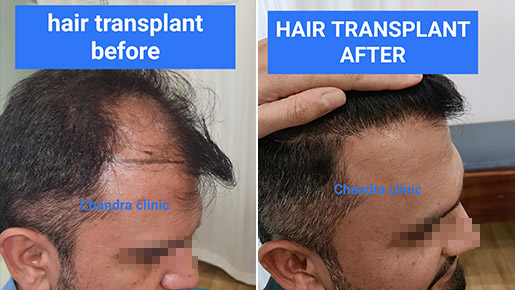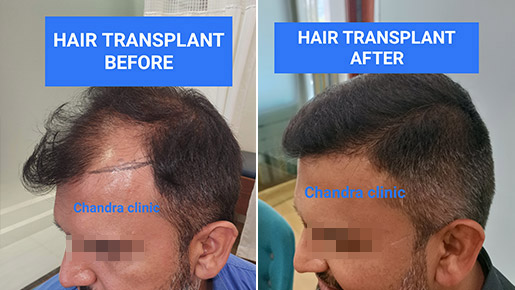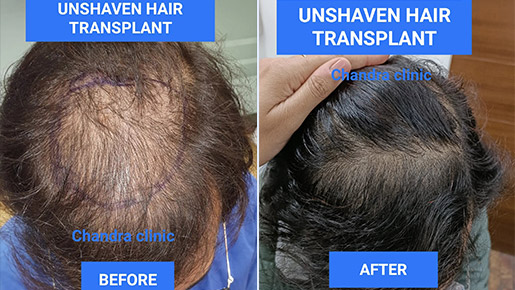
Hair loss may begin with a receding hairline, crown thinning, etc., and it often progresses if left untreated. Some medications may help in slowing down the process, but they cannot always restore hair.
Hair transplant surgery in Delhi is performed at Chandra Clinic, using advanced hair restoration techniques to ensure natural-looking results. The clinic prioritises personalised treatment after evaluating the hair loss pattern, donor hair availability, and the patient’s goals.
At Chandra Hair Clinic, Dr. Urvashi Chandra, combines medical expertise with precision planning to provide personalised treatment for men and women experiencing hair loss.
Hair transplant surgery is a procedure to restore hair growth by extracting healthy hair follicles from the donor area (a specific part of the scalp) and transplanting them in recipient areas (areas experiencing baldness). Transplanted follicles are extracted from regions resistant to pattern hair loss, so they continue to grow naturally.
A hair transplant provides permanent hair restoration, and the transplanted hair can be grown, cut, or styled just like natural hair. Modern hair transplant in Delhi provides advanced extraction and implantation techniques to minimise visible scarring and improve graft survival. To ensure that the procedure achieves natural-looking results, it is imperative to plan carefully, considering donor area management and hairline design.
Hair loss occurs due to various factors, and it is important to understanding the cause before recommending a hair transplant:
1. Genetic Hair Loss (Androgenetic Alopecia): This pattern baldness is the most common cause among men and women. This condition causes hair follicles to shrink over time and produce shorter hair, until the growth stops.
2. Hormonal Changes: Hormonal fluctuations associated with ageing, pregnancy, and thyroid disorders may contribute to increased hair thinning.
3. Stress: Physical and emotional stress, and lack of essential vitamins may trigger temporary hair loss.
4. Medical Conditions: Scalp infections or autoimmune disorders may affect hair growth.
5. Trauma or Injury: Hair may fail to regrow in areas affected by burns or injuries, but hair transplantation can help restore hair once the scar is healed.
Is Hair Transplant Treatment Right for You? | Best Hair Transplant in Delhi
People may benefit from hair transplant surgery in Delhi if they:
Hair transplant surgery is performed based on personalised treatment plans, as it is not a one-size-fits-all procedure.
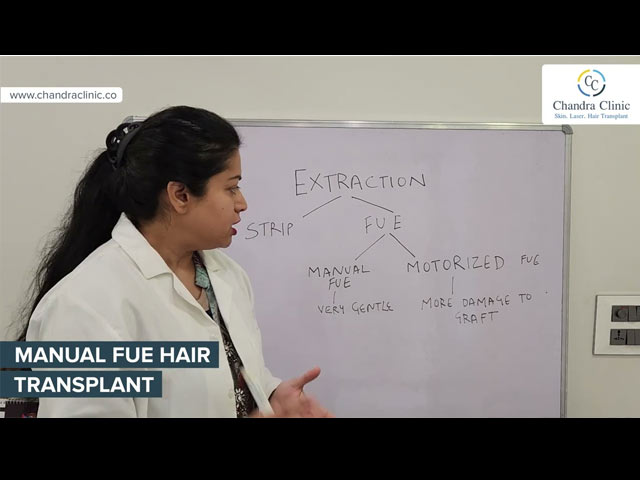
1. Follicular Unit Extraction (FUE): FUE is one of the most widely performed hair transplant techniques. Follicular units are extracted from the donor area with specialised micro-punches and then implanted into the recipient area. This is a preferred technique as it includes minimal scarring and faster healing. FUE is suitable for hairline restoration and moderate to extensive hair loss.
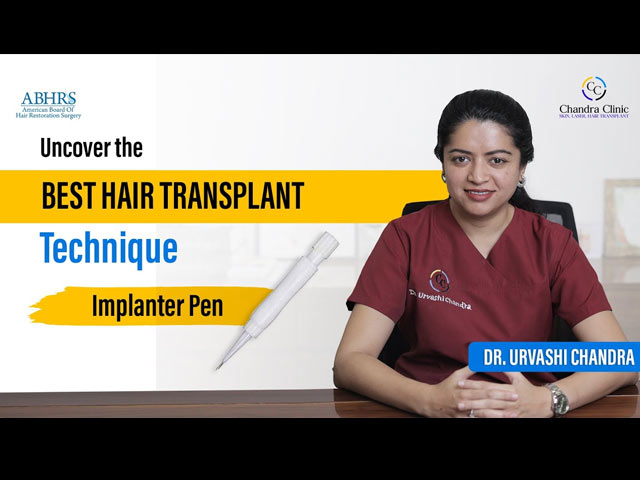
2. Bio-IPT Hair Transplant: The bio-implantation hair transplant technique focuses on careful graft handling, precise implantation, and natural hair direction. The surgeon carefully implants every graft according to the natural angle of existing hair to help achieve blending with surrounding follicles. This procedure maximises graft survival.
3. Hairline Restoration: Hairline restoration aims to rebuild the frontal hairline with strategically placed grafts to create an age-appropriate appearance.
4. Follicular Unit Transplantation: FUT is a surgical hair restoration procedure where the specialist removes a thin strip of hair-bearing scalp from the donor area. FUT is a traditional method that transplants healthy follicles that continue to grow naturally after implantation and is ideal for individuals requiring a large number of grafts in a single session.
Hair transplant surgery is performed based on individual hair loss patterns: An ideal candidate usually:
Both men and women experiencing pattern hair loss may benefit from the procedure.
Also watch: Top 5 Questions to Ask Hair Transplant Surgeon During Consultation
Top 5 Questions to Ask Hair Transplant Surgeon | Hair Transplant in Delhi
Hair transplantations are suitable for many individuals, but specific patients with certain conditions may have to delay the procedure.
These include:
| Treatment | Best Suited For | Duration of Results | Maintenance |
| Hair Transplant Surgery | Permanent restoration of thinning or bald areas | Long-lasting | Minimal after healing |
| PRP Therapy | Early-stage hair thinning | Temporary improvement | Multiple maintenance sessions |
| Medical Therapy (Minoxidil/Finasteride) | Slowing progressive hair loss | Effective while treatment continues | Daily or long-term use |
| Hair Patches | Immediate cosmetic coverage | Temporary | Regular replacement and upkeep |
| Scalp Micropigmentation | Creating the illusion of hair density | Long-lasting cosmetic effect | Periodic touch-ups |
While non-surgical treatments can be beneficial for selected patients, hair transplantation remains the most effective option for restoring hair in areas where follicles have permanently stopped producing healthy hair.
Factors Determining the Cost of Hair Transplant | Hair Transplant Cost in Delhi
Pre & Post Surgery Instructions | Hair Transplant in Delhi
Chandra Clinic prefers a personalised approach, as hair loss affects every person differently. Dr. Urvashi Chandra evaluates the patient thoroughly before recommending the treatment.
Depending on the requirements, treatment may include:
Every stage of hair transplantation is designed to ensure the transplanted hair blends with the scalp.
Chandra Clinic incorporates only the finest technologies and techniques to improve precision and graft survival.
Hair transplant surgery offers both cosmetic and psychological benefits when performed on suitable candidates. Some of the key advantages include:
| Timeline | What to Expect |
| Day 1–3 | Mild swelling, redness; follow aftercare instructions carefully. |
| Week 1 | Small scabs begin to heal. |
| Weeks 2–4 | Temporary shedding of transplanted hair. |
| Months 3–4 | New hair growth becomes visible. |
| Months 6–9 | Hair becomes thicker. |
| 12–15 Months | Final results are visible with natural-looking hair growth. |
Risks and possible side effects may include:
Following your surgeon's instructions before and after the procedure plays an important role.
The hair transplant cost in Delhi ranges from ₹ 30,000 to ₹ 2,40,000, but the final cost depends on several factors such as extent of hair loss, number of grafts required, etc. The greater the number of follicles implanted, the higher the expense of the treatment.
| No. of Grafts | Bio-IPT | FUE | FUT |
| Per Graft | ₹60 – ₹80 | ₹40 – ₹60 | ₹30 – ₹50 |
| 1,000 | ₹60,000 – ₹80,000 | ₹40,000 – ₹60,000 | ₹30,000 – ₹50,000 |
| 1,500 | ₹90,000 – ₹1,20,000 | ₹60,000 – ₹90,000 | ₹45,000 – ₹75,000 |
| 2,000 | ₹1,20,000 – ₹1,60,000 | ₹80,000 – ₹1,20,000 | ₹60,000 – ₹1,00,000 |
| 2,500 | ₹1,50,000 – ₹2,00,000 | ₹1,00,000 – ₹1,50,000 | ₹75,000 – ₹1,25,000 |
| 3,000 | ₹1,80,000 – ₹2,40,000 | ₹1,20,000 – ₹1,80,000 | ₹90,000 – ₹1,50,000 |
One of the most important things while considering a hair transplant in Delhi is to choose the right clinic and the right surgeon.
Patients choose Chandra Clinic because of:
Dr. Urvashi Chandra is a dermatologist and hair transplant surgeon with extensive experience in surgical and non-surgical hair restoration. Since beginning her practice in 2010, she has helped thousands of patients address concerns ranging from early hair thinning to advanced pattern baldness through customised treatment plans.
She holds an MBBS (2005) and MD in Dermatology (2010) and is a Certified Diplomate of the American Board of Hair Restoration Surgeons (2014); a credential that reflects specialised training in hair restoration.
Whether you're seeking hairline restoration, crown coverage, or a complete Hair Transplant in Delhi, our team at Chandra Clinic is committed to delivering natural-looking results with a patient-first approach. Schedule your consultation today to take the first step towards restoring your hair and confidence.
The number of grafts depends on the extent of hair loss, donor hair availability, and the level of density you wish to achieve.
Transplanted follicles are generally resistant to pattern baldness, but your natural hair may continue to thin over time.
In many cases, yes. Corrective hair transplant procedures can improve unnatural hairlines or low density.
Yes. Once the scalp has healed completely and the transplanted hair has grown, it can generally be coloured like your natural hair.
A hair transplant restores hair to treated areas but does not prevent ongoing hair loss in untreated regions.
Light daily activities can usually be resumed within a few days, but strenuous exercise, swimming, and heavy lifting should be avoided for some time.


I have taken the GFC therapy at Dr Chandra's clinic and seen excellent results thus far. Dr Chandra's hands on involvement during the entire process is very reassuring complimented with the fact that the entire staff is very professional. I would strongly recommend the GFC therepy to those who are suffering from hair loss and wish to see visible results.
Dr Kapil is one of the best dermatologists in Delhi. I used to have a very sensitive skin
and I faced several issues because of it with the weather change. Dr Kapil's treatment
helped me with all those issues and made my skin much more clear and healthy. I
regularly consult him for my laser treatment too and the results have been really good.
I also took my daughter to Dr Kapil for consultation regarding her acne and hair fall.
With his prescribed medicines, her skin cleared up in no time, she also got rid of all
her acne scars and her hair fall reduced drastically.